What is Cruelty-Free Meat?
-
Cell Cultures
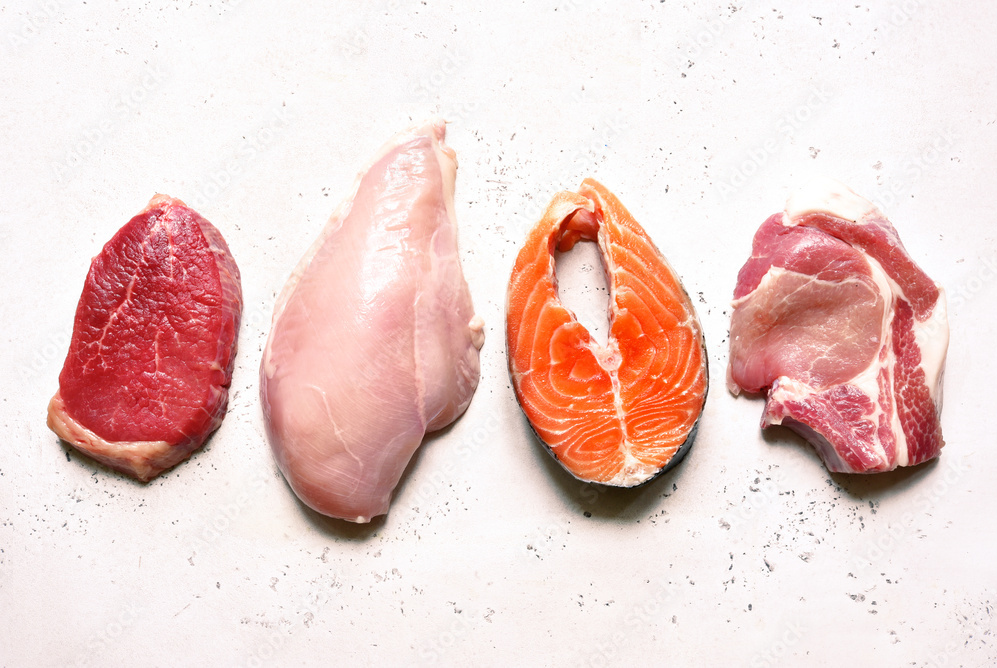
Cruelty-free meat is also known as cell-based meat because the process to make it begins by sourcing cells from a fertilized egg of a chicken or fish, or from a bank of stored cells obtained from a blood draw of a cow or pig.
-
Cultivation
The cells are then combined with a growth medium consisting of essential nutrients, proteins, and amino acids required for cell growth and division. This process takes place in a sterile and controlled environment, eliminating the need for antibiotics or hormones.
-
Final Processing and Packaging
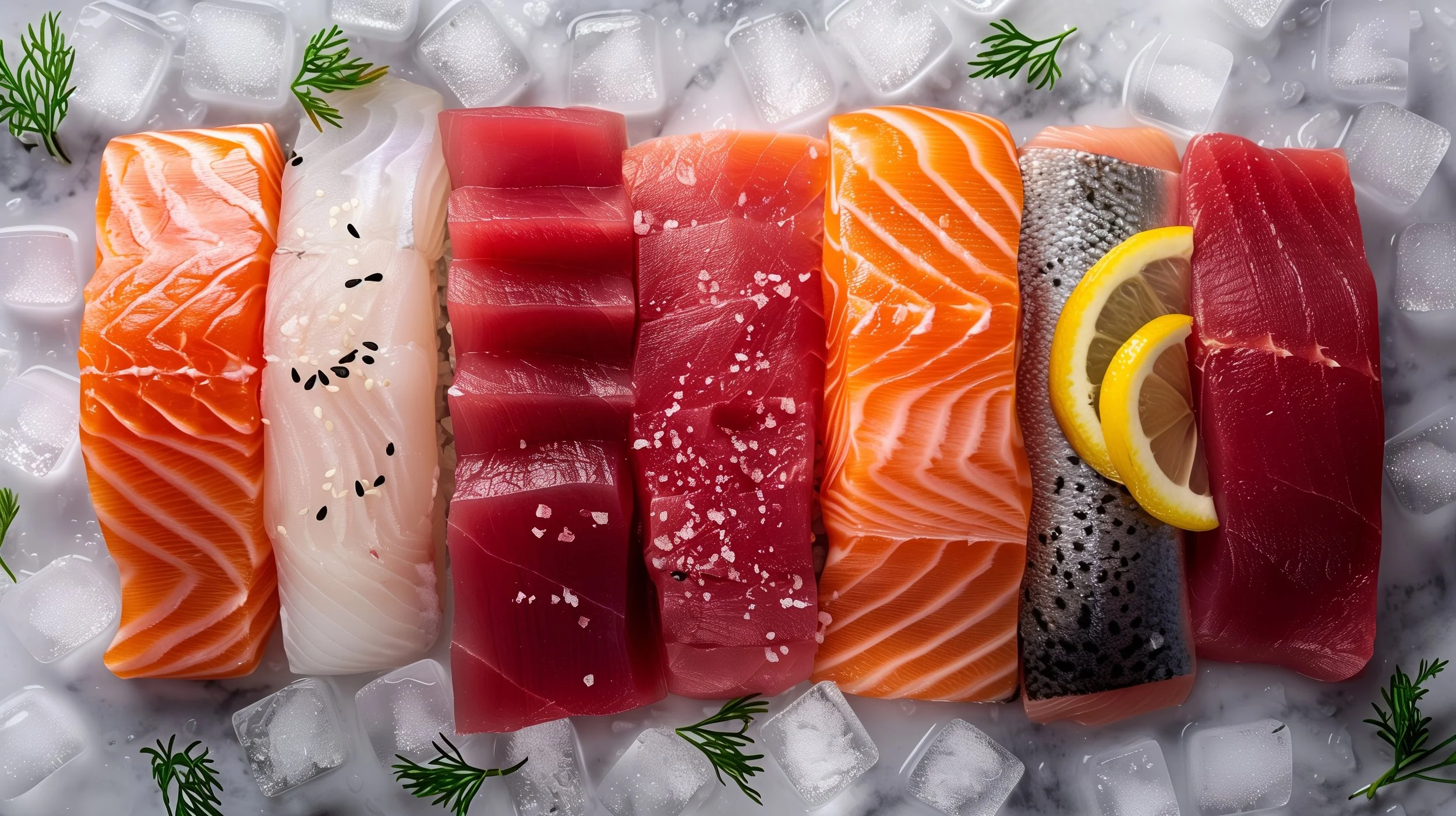
The cells develop into skeletal muscle, fat, and connective tissues. Within 10 days, we produce clean meat and fish, free from contaminants such as parasites or heavy metals. Our food is then promptly frozen and stored for distribution to those experiencing food scarcity.
Is it safe?
Cruelty-Free meat is cellularly identical to any meat or fish and has undergone rigorous testing to ensure its safety. Singapore has been serving cruelty-free chicken since 2020. The FDA and USDA have approved many private food companies in the United States that will sell cruelty-free meat in supermarkets and restaurants. Tyson Foods and other large corporate conglomerates are building their own production facilities with the intention of making hand-over-fist profits from consumers.
As a non-profit aid organization, Superus ensures that the cell-based food technology that makes cruelty-free meat possible remains accessible to people by remaining free from corporate, government, or private interests.
The cruelty-free meat that Superus produces is used to feed people facing food insecurity, offering a healthier, superior alternative to factory-farmed products.